




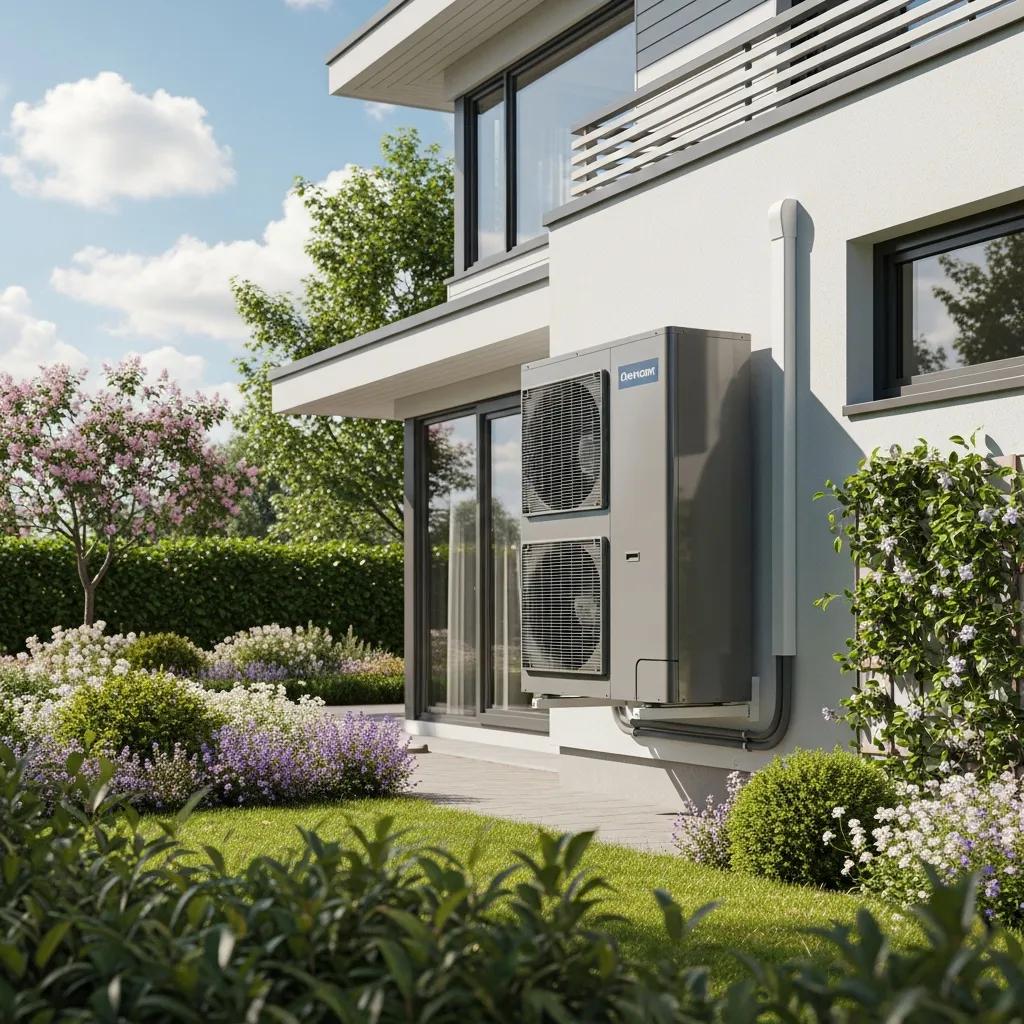
Maximize Your Heat Pump’s Efficiency: Practical Tips to Save Energy and Improve Comfort
Heat pump efficiency tells you how well a heat pump turns electricity into usable heat or cooling. Higher efficiency means lower energy bills and steadier comfort. The things that matter most are airflow, clean heat-exchanger surfaces, correct refrigerant charge, thermostat control, and properly sized equipment. This guide walks you through maintenance steps, smart thermostat strategies, home improvements, troubleshooting signs, and installation best practices — plus local programs that can help offset upgrade costs. You’ll get seasonal thermostat targets, an easy homeowner checklist, pointers to spot problems early, and clear guidance on when to call a pro. Follow the core priorities — regular tune-ups, good airflow, proper controls, and targeted upgrades — and you’ll see better comfort, lower energy use, and fewer equipment surprises.
How Does Regular Heat Pump Maintenance Improve Efficiency?
Routine heat pump maintenance keeps airflow and heat transfer working as designed by protecting filters, coils, fans, and refrigerant systems. Clean filters and coils let the compressor work less and run more efficiently, cutting runtime and electrical draw. Regular inspections also catch refrigerant leaks, failing motors, and blocked condensate drains — problems that reduce capacity and drive up bills — so you can fix them before they turn into big, costly repairs. Below is a short comparison of common tasks, how often to do them, and the efficiency impact so you can prioritize what matters most.
Maintenance tasks compared for homeowner reference:
| Task | Recommended Frequency | Effect on Efficiency |
|---|---|---|
| Filter inspection/replacement | Monthly visual check; replace every 1–3 months | Restores airflow, shortens run time, reduces compressor strain |
| Coil cleaning (evaporator/condenser) | Annually (or biannually in dusty conditions) | Improves heat transfer, raises capacity, lowers energy use |
| Refrigerant level & leak check | Annually (or when performance drops) | Ensures correct pressures, avoids reduced COP and higher bills |
This table highlights the fastest, lowest‑cost wins — filters and coil cleanliness — and shows why they’re worth doing before more involved work. The sections that follow give a practical, prioritized checklist you can use at home.
What Are the Key Heat Pump Maintenance Tasks?

Focus maintenance on the parts that move air and transfer heat: filters, evaporator and condenser coils, the blower assembly, refrigerant charge, condensate drain, and keeping the outdoor unit clear. Filters range from basic fiberglass to higher‑MERV pleated styles; better filtration catches more particles but sometimes needs a blower check to make sure airflow remains adequate. Cleaning coils restores the surface area needed for efficient heat exchange. Inspecting blower and fan parts keeps circulation steady — a damaged blade or clogged wheel quickly cuts performance. Refrigerant checks find low‑charge conditions caused by leaks; fixing these restores the system’s pressure balance and reduces run time. Simple homeowner actions like removing leaves and vegetation near the outdoor unit avoid common airflow problems and make professional tune-ups more effective.
Prioritized maintenance actions every homeowner should know:
- Inspect or change filters monthly to keep airflow strong and energy use low.
- Keep the area around the outdoor unit clear — remove debris and trim plants to prevent airflow restriction.
- Check condensate drains and pans to prevent clogs, overflow, and microbial issues.
These steps create a solid baseline and make professional inspections more productive when they address refrigerant and mechanical items.
How Often Should Heat Pump Maintenance Be Performed for Best Results?
A practical schedule pairs monthly homeowner checks with an annual professional tune‑up to protect efficiency and warranty coverage. Monthly: inspect filters and do a quick airflow check. Seasonal: in spring and fall, make sure the outdoor unit is free of debris and controls switch cleanly between heating and cooling. A yearly professional visit usually includes coil cleaning, refrigerant‑pressure checks, electrical testing, and system calibration. For very dusty homes, pet owners, or high‑use systems, consider semi‑annual pro visits. If you notice longer run times, uneven comfort, or sudden bill increases, increase inspection frequency — that helps maintain warranties and prevents emergency failures.
Regular scheduling lowers long‑term costs by avoiding efficiency losses, extending component life, and preparing the system for seasonal load changes.
What Are the Best Thermostat Settings to Maximize Heat Pump Performance?
Your thermostat setting directly affects run time, auxiliary heat use, and overall energy cost. Keep setpoints moderate and avoid big, sudden setbacks — heat pumps are most efficient when they run longer cycles with small temperature differences. Large winter setbacks can trigger auxiliary or emergency heat, which is usually far less efficient. Programmable or smart thermostats let you schedule modest setbacks and timed recoveries that reduce runtime without overusing backup heat. The table below gives simple, season‑based ranges and the reasoning so you can set your thermostat for comfort and savings.
Seasonal thermostat guidance for quick reference:
| Season / Mode | Recommended Range | Rationale / Efficiency Effect |
|---|---|---|
| Winter (occupied) | 68–71°F | Moderate setpoints help avoid auxiliary heat and keep the heat pump working efficiently |
| Winter (unoccupied setback) | 62–65°F | Small setback saves energy without triggering prolonged backup‑heat use |
| Summer (occupied) | 74–78°F | Higher setpoints reduce compressor runtime while staying comfortable |
| Summer (unoccupied) | 78–82°F | Looser setpoints lower cooling runtime and electricity use |
Use these ranges as a starting point. Small, consistent adjustments paired with smart scheduling often give the best balance of comfort and savings.
How Do Seasonal Thermostat Adjustments Affect Efficiency?
Changing setpoints changes the system’s duty cycle — how long the compressor runs and how frequently it cycles — which affects energy use and, in some cases, backup heat activation. Moderate winter setpoints keep the heat pump in its efficient band; aggressive setbacks can switch the system to electric strip or fossil‑fuel backup, which is usually much less efficient. In cooling season, raising the thermostat a few degrees cuts compressor runtime because the system avoids long, inefficient low‑cycle periods. The most effective strategy is small, scheduled setbacks with timed recovery so the heat pump handles most of the load without invoking auxiliary heat.
Knowing these trade‑offs helps homeowners choose setback strategies that reduce bills without unintended backup‑heat costs — and points to smart controls as a useful tool.
Can Smart Thermostats Enhance Heat Pump Energy Savings?

Smart thermostats can improve heat pump efficiency with adaptive schedules, geofencing, and learned recovery times that bring comfort when you need it and cut runtime when you don’t. Important features for heat pumps include compatibility with heat pump and auxiliary stages, temperature recovery optimization to avoid overshoot, and humidity control to prevent excessive dehumidification. Proper installation and setup matter — incorrect wiring or mode selection can cause unintended auxiliary heat or control conflicts. If you prefer professional setup, especially for systems paired with Daikin equipment, contact a qualified contractor to ensure the thermostat is configured for efficient staging and compressor‑friendly recovery.
Research supports meaningful energy savings from intelligently controlled, occupancy‑aware thermostats.
When installed and programmed correctly, smart thermostats reduce energy use, keep comfort consistent, and provide runtime data that helps fine‑tune efficiency strategies over time.
Which Energy Saving Tips Help Reduce Heat Pump Operating Costs?
Lowering operating costs means combining equipment care with improvements to the home envelope and smart controls. Focus on insulation, air sealing, ductwork, filters, and thermostat scheduling for compounding gains. Adding attic and wall insulation reduces heat transfer and shortens run times; air sealing removes drafts that force longer cycles. Well‑sealed, balanced ductwork delivers capacity to living spaces instead of losing it in leaks. Below are prioritized, actionable tips you can start with and a short checklist to guide improvements.
Actionable energy‑saving tips overview:
- Improve attic and wall insulation to cut heat loss and gain.
- Seal common leak paths around windows, doors, and penetrations to stop uncontrolled airflow.
- Keep filters clean and schedule duct inspections to preserve designed airflow.
- Use zoning or smart thermostat schedules to reduce runtime in empty areas.
How Does Home Insulation Impact Heat Pump Efficiency?
Insulation slows heat flow through your home, so the heat pump runs less often and holds setpoints with less energy. Attics and rim‑joists are common weak spots; addressing them usually gives the biggest runtime reductions in temperate climates. Better insulation also helps humidity control by limiting moisture transfer — both factors help the heat pump operate in its efficient range longer. A professional energy audit or blower‑door test pinpoints problem areas and gives a clear roadmap for where insulation will pay off most.
Improved insulation reduces runtime and bills, and often improves comfort more than small HVAC tweaks alone.
What Role Does Air Sealing Play in Energy Conservation?
Air sealing closes uncontrolled leakage paths — around windows, doors, recessed lights, plumbing penetrations, and attic hatches — that let conditioned air out and outside air in. Even simple DIY fixes like caulking and weatherstripping can reduce drafts quickly; professional weatherization tackles larger issues such as duct boots and sill plates. Reducing infiltration raises the effective performance of existing insulation, lowers peak loads, and cuts the risk of moisture problems that can affect HVAC components. Homes with significant leakage get the biggest gains from combined air sealing and insulation work; smaller sealing steps often pay back fast through lower energy use.
Sealing leaks tightens your envelope and amplifies the efficiency benefits of a well‑maintained heat pump.
When Should You Schedule Heat Pump Repair to Maintain Efficiency?
Timely repair stops small problems from eroding efficiency and turning into major failures. If you spot symptoms such as reduced airflow, odd noises, frequent short cycling, ice on the outdoor coil, or a sudden rise in utility bills, arrange service. These signs often point to clogged filters, refrigerant leaks, compressor stress, or failing controls — all of which need diagnosis. Acting early limits cost and downtime; putting off repairs usually increases runtime, component wear, and the chance of premature replacement. The checklist below shows common warning signs and simple homeowner checks to try before calling a technician.
Common symptoms that warrant professional attention:
- Higher energy bills without increased use, suggesting efficiency loss.
- Reduced airflow or uneven temperatures between rooms, which may indicate duct or blower problems.
- Unusual noises or frequent cycling, pointing to electrical or mechanical trouble.
- Ice forming on the outdoor coil, a sign of refrigerant or airflow faults.
Responding quickly reduces wasted energy and keeps small issues from becoming major repairs. The next section explains how prompt repair saves money over time.
What Are Common Signs of Heat Pump Performance Issues?
Watch for longer run times to reach setpoint, uneven comfort across the home, grinding or rattling sounds, frequent on/off cycling, and ice buildup on the outdoor unit. These symptoms often map to dirty filters, refrigerant leaks, motor failure, or control faults. Before calling a pro, try basic checks: replace filters, confirm thermostat mode and setpoint, and clear debris from the outdoor unit. If problems continue, a technician should run airflow measurements, refrigerant‑pressure checks, electrical tests, and motor/blower inspections. Note when issues occur and any patterns — that helps the technician diagnose intermittent faults faster.
Early diagnosis preserves system COP and prevents secondary damage to major components like the compressor.
How Does Timely Repair Prevent Energy Waste and System Damage?
Quick repairs stop a downward spiral: a small airflow restriction increases runtime, which stresses the compressor and motors, raising failure risk and shortening life. For example, a clogged filter forces the compressor to work harder and cycle more, increasing electricity use and wear on bearings and capacitors — fixing the filter early avoids those secondary failures. Fixing refrigerant leaks restores proper pressure relationships, improves heat transfer, and shortens run time; delaying repairs lets the compressor run under poor conditions, which often leads to costly replacements. Maintenance plans and priority service reduce the chance that small issues go unchecked, preventing cumulative efficiency losses and wasted energy.
Investing in prompt repair usually lowers total ownership costs by preserving efficiency and delaying major capital expenses.
How Do Proper Heat Pump Installation and Sizing Affect Efficiency?
Proper installation and right‑sizing determine whether a heat pump meets your home’s needs efficiently. A system selected with a Manual‑J load calculation and correctly commissioned with proper airflow and refrigerant charge will operate near peak COP. Oversized units short‑cycle, hurting dehumidification and wasting energy through frequent starts; undersized units run long and may fail to meet comfort during extremes. Good duct design, sealing, and commissioning — verifying manufacturer settings, refrigerant charge, and control staging — are essential. The table below summarizes common sizing and installation issues and recommended actions.
| Sizing Factor | Typical Impact if Poorly Handled | Recommendation |
|---|---|---|
| Manual-J load calculation | Oversizing or undersizing causes short cycles or long runtimes | Always use a Manual‑J before selecting equipment |
| Ductwork condition | Leaks and poor airflow reduce delivered capacity | Inspect, seal, and balance ducts to improve delivery |
| Equipment selection | Wrong features or mismatched capacity lower efficiency | Choose high‑efficiency models with proper staging or inverter tech |
Professional sizing and commissioning prevent common performance losses. The following sections explain oversizing risks and the benefits of modern equipment in plain terms.
Why Is Correct Heat Pump Sizing Critical for Energy Savings?
Right sizing balances peak capacity with steady performance so the heat pump avoids short cycles and excessive runtimes. Oversized units meet temperature quickly but cycle repeatedly, reducing dehumidification and increasing start‑up losses. Undersized units run nearly constantly in extreme weather, adding wear and still failing to reach comfort. A Manual‑J load calculation measures heat loss and gain by room and guides correct equipment selection, removing guesswork and matching the system to your home’s needs for better seasonal performance.
Spending up front on accurate load calculations and professional selection returns value through better efficiency and improved humidity and comfort control.
What Are the Benefits of Upgrading to High-Efficiency Heat Pumps?
Modern high‑efficiency heat pumps with variable‑speed compressors and inverter technology offer higher SEER and HSPF ratings, quieter operation, finer capacity control, and improved humidity management. Variable‑speed compressors match output to demand, keeping longer, steadier cycles that raise comfort and lower electrical spikes from frequent starts. Newer units also work better with smart thermostats and zoning systems for precise control and added savings. With rebates and financing, these efficiency gains often lead to attractive payback — especially in homes with good insulation and air sealing.
Key upgrade benefits:
- Lower seasonal energy use thanks to higher rated efficiencies.
- Quieter, more consistent operation from variable‑speed control.
- Better humidity and comfort control through modulation capabilities.
Taken together with incentives, targeted replacements or phased upgrades are a practical path to lasting savings.
What Local Incentives and Financing Options Support Heat Pump Efficiency Upgrades?
Local incentives and utility partnerships like TVA EnergyRight offer rebates and performance incentives that reduce the up‑front cost of high‑efficiency heat pumps and home efficiency work, shortening payback times. Rebates commonly cover qualifying high‑SEER/HSPF equipment, certified tune‑ups, and air‑sealing or duct improvements. Contractors often help with the paperwork and performance verification required to secure these incentives. Financing options — such as low‑interest loans, deferred payment plans, or contractor financing — let homeowners spread costs while capturing immediate energy savings. Below are practical steps to evaluate incentive and financing choices.
How local programs and financing support upgrades:
- Check utility incentives like TVA EnergyRight for eligible equipment and qualified procedures.
- Work with your contractor to document performance and apply for rebates at installation.
- Explore financing that aligns payments with expected energy savings.
How Do Knoxville, TN Rebates and TVA EnergyRight Programs Help?
TVA EnergyRight and local Knoxville programs offer rebates for qualifying high‑efficiency heat pumps, certified tune‑ups, and whole‑home efficiency measures that reduce peak electric loads. Rebates vary by equipment efficiency thresholds and program requirements. Contractors who participate in these programs can often pre‑qualify installations and handle the application paperwork to meet program specs. These incentives lower upfront costs and shorten the payback period for equipment or envelope upgrades. Check program rules for eligibility, verification steps, and any pre‑approval requirements before scheduling work.
Working with a contractor experienced in TVA EnergyRight and local rebates simplifies the process and increases the chance of securing available incentives.
What Financing Plans Make Heat Pump Upgrades More Affordable?
Common financing options include unsecured home improvement loans, contractor financing with fixed monthly payments, and deferred payment offers that let you pay over time while enjoying immediate energy savings. Terms vary by lender and credit profile; the right choice depends on payback expectations, interest rates, and project size. Spreading costs over a few years often aligns monthly payments with the energy savings you’ll see. Talk with a qualified local contractor to identify promotions and lender programs that fit your needs without promising specific loan terms here.
Financing removes the upfront barrier to efficiency upgrades, so homeowners can start saving on energy bills right away while paying over time.
If you’re in the Knoxville area and want professional support, A-1 Certified Service, Inc. offers residential and commercial heat pump installation, maintenance, and repair, and can help navigate local incentive pathways. We offer membership maintenance plans — Platinum, Gold, and Silver — that prioritize tune‑ups and simplify rebate coordination by keeping equipment serviced to program specs. As a Daikin Comfort Pro partner, we can assist with thermostat integration and correct equipment sizing. Customers in Knoxville, Corryton, and Campbell, TN can request a system evaluation, get help with rebate paperwork, and discuss available financing or promotions. Working with a qualified contractor ensures Manual‑J sizing, proper commissioning, and the documentation many TVA EnergyRight and local rebate programs require.
Conclusion
Improving your heat pump’s efficiency boosts comfort and trims energy costs — a smart move for any homeowner. With regular maintenance, sensible thermostat settings, and well‑chosen upgrades you’ll keep your system running at peak performance. Take advantage of local incentives and financing to make upgrades more affordable, and reach out to our team for professional evaluations and service. Start today and enjoy a more efficient, comfortable home tomorrow.