




When Your Heat Pump Stops Working in Lenoir City
When you need emergency heat pump repair in lenoir city tn, time is critical. Heat pumps provide both heating and cooling for your home, so when they fail during extreme weather, your family’s comfort and safety are at stake. Whether it’s a freezing winter night or a sweltering summer day in the Tennessee Valley, a broken heat pump demands immediate attention.
Quick Action Steps for Heat Pump Emergencies:
- Check your thermostat – Verify settings and battery
- Inspect the circuit breaker – Reset if tripped
- Look at your outdoor unit – Clear any debris or ice buildup
- Turn off the system – Prevent further damage
- Call a certified technician – Get 24/7 professional help
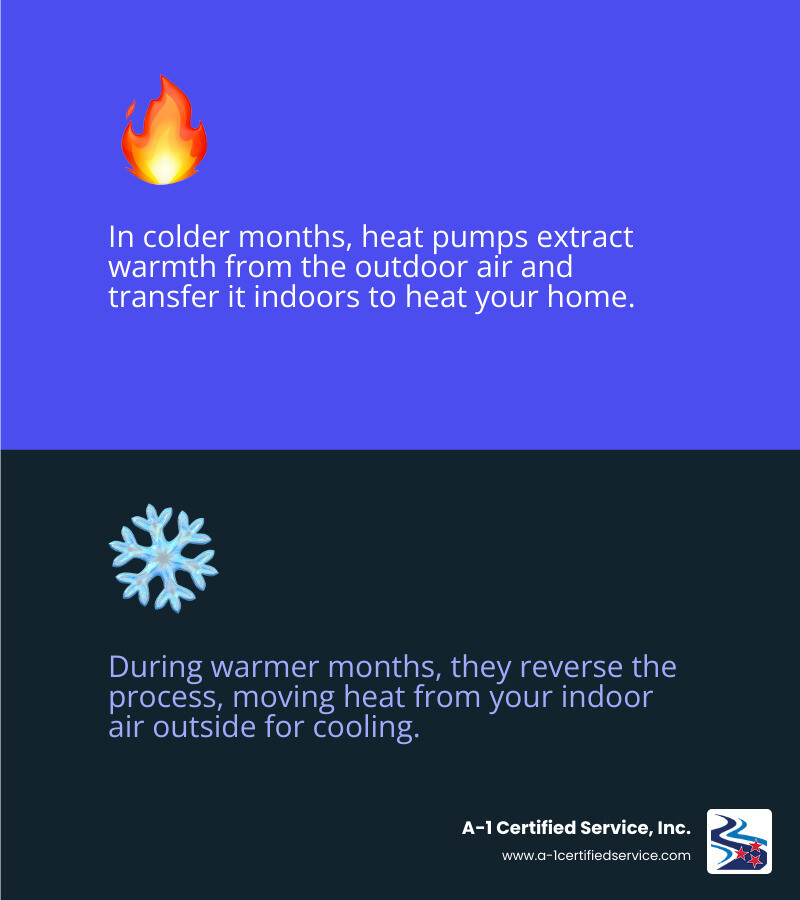
Lenoir City sits along the Tennessee River in the Upper Tennessee Valley, where residents experience hot, humid summers and cold winters. Your heat pump works year-round, moving heat in or out of your home depending on the season. This constant use means any malfunction can quickly turn into an emergency that leaves your family uncomfortable or even at risk.
For comprehensive guidance on maintaining your heating system, check out our HVAC troubleshooting tips, or if you need immediate assistance, contact our emergency repair team.
How to Tell You Need Emergency Heat Pump Repair
Picture this: You wake up on a cold Lenoir City morning, and your house feels like an icebox. Or maybe it’s a blazing summer afternoon, and your home has turned into a sauna. These are the obvious moments when you know something’s gone wrong with your heat pump.
But here’s the thing—a complete breakdown isn’t the only sign you need emergency heat pump repair in Lenoir City TN. Your heat pump often gives you warning signals before it fails completely. Learning to recognize these early signs can save you from a middle-of-the-night crisis and potentially thousands of dollars in additional damage.
The most telling sign is when you’re getting no heat or cool air from your system. Your thermostat might be set correctly, but the air coming from your vents doesn’t match what you’re asking for. This is your heat pump’s way of waving a white flag.
Strange noises are another red flag you can’t ignore. Your heat pump should run with a gentle hum—nothing dramatic. When you start hearing grinding, squealing, rattling, or banging sounds, something mechanical inside is struggling. These noises often point to problems with the fan motor, worn bearings, or even the compressor itself.
If your system is constantly cycling on and off—what we call short-cycling—it’s working way too hard to maintain your home’s temperature. This puts serious stress on every component and dramatically shortens your system’s lifespan.
Ice or frost buildup on your outdoor unit is particularly concerning. Yes, heat pumps have a defrost cycle built in, but excessive ice coating the coils means something’s wrong. This could be low refrigerant, a faulty defrost sensor, or restricted airflow. When your heat pump freezes over, it can’t do its job of keeping you comfortable. For more information on this specific problem, check out our guide on when your heat pump freezes over.
Have you noticed unexplained spikes in your energy bills? If your electricity costs suddenly jump without any change in how you’re using your home, your heat pump is likely working harder than it should. This often happens when your system is running inefficiently due to a malfunction, or worse, when your expensive auxiliary heat is constantly kicking in because of a refrigerant leak.
Common Heat Pump Emergencies in Lenoir City
Living in Lenoir City means your heat pump works hard year-round. Our climate demands a lot from these systems, and over six decades of serving local families, we’ve seen certain emergencies come up again and again.
Complete system failure is the most dramatic emergency. Your heat pump simply stops working—no heating, no cooling, nothing. It’s like waking up to find your car won’t start, except you’re stuck at home in uncomfortable temperatures.
Refrigerant leaks are sneaky problems that get expensive fast. When your heat pump is low on refrigerant, it can’t move heat effectively. This forces your auxiliary heat strips to take over, and those cost roughly three times as much to run as your heat pump normally does. Beyond the sky-high bills, a refrigerant leak can also damage your compressor, turning a moderate repair into a major one. To better understand how your system should work when everything’s functioning properly, explore the benefits of heat pumps.
Electrical faults can range from frustrating to dangerous. Heat pumps run on 240-volt circuits, and problems can include tripped breakers, faulty wiring, or failed capacitors. These issues might prevent your unit from starting at all or cause it to cycle erratically.
Compressor failure is one of the most serious emergencies you can face. The compressor is essentially the heart of your heat pump—it’s what moves refrigerant through the system. When it fails, you get no heating or cooling whatsoever. Compressor problems often announce themselves with loud, alarming noises and typically represent one of the costliest repairs.
A stuck reversing valve creates a particularly frustrating situation. This valve is what allows your heat pump to switch between heating and cooling modes. When it gets stuck, you might get cold air when you desperately need heat, or hot air during a summer heatwave. Either way, you’re left profoundly uncomfortable.
Warning Signs You Can’t Ignore
Beyond the obvious signs, there are several critical warnings that demand immediate attention. Ignoring these could transform a manageable repair into a catastrophic failure.
Burning smells should always trigger immediate action. Any burning odor from your heat pump suggests an electrical problem—maybe an overheated motor or damaged wiring. This isn’t just about comfort anymore; it’s a genuine safety concern that needs professional attention right away.
Tripped circuit breakers tell you something’s drawing too much power. If your heat pump repeatedly trips its dedicated breaker, there’s an electrical overload or short circuit happening inside the unit. Don’t keep resetting it and hoping for the best—that’s how small problems become dangerous ones.
Water leaks near your indoor unit are another warning sign. Some condensation is normal, but if you’re seeing water pooling around the unit, you likely have a clogged condensate drain line or another internal issue that needs fixing.
Many of these warning signs—especially the strange noises and sudden inefficiency—can also indicate that your system is reaching the end of its useful life. For broader perspective on when repairs make sense versus replacement, take a look at our article on signs your AC needs replacement.
The bottom line? Your heat pump talks to you through these signs. When it’s struggling, it lets you know. The question is whether you’re listening—and more importantly, whether you’re taking action before a minor issue becomes a major emergency.
What to Do When Your Heat Pump Fails: A Step-by-Step Guide
When your heat pump stops working in the middle of a freezing Lenoir City night or during a scorching summer afternoon, panic is a natural first reaction. But take a deep breath—staying calm and following a methodical approach will help you handle the situation safely and get your comfort restored faster.

Step 1: Perform Basic Checks
Before you reach for the phone to call for professional emergency heat pump repair in Lenoir City TN, spend a few minutes doing some simple detective work. These quick checks won’t solve every problem, but they can sometimes reveal easy fixes—or at least give our technicians helpful information when they arrive.
Start with your thermostat settings. It sounds almost too simple, but you’d be surprised how often the issue is just a thermostat set to the wrong mode or a battery that’s given up the ghost. Make sure it’s set to heat or cool (whichever you need) and that the temperature setting makes sense.
Next, take a look at your air filters. A clogged filter is like trying to breathe through a pillow—it restricts airflow and makes your heat pump work much harder than it should. During peak heating or cooling seasons, we recommend checking standard one-inch filters monthly. If yours looks like it’s been through a dust storm, replace it.
Head to your electrical panel and check the circuit breaker for your heat pump. It might be labeled “Furnace,” “HVAC,” or something similar. If it’s tripped, you can try resetting it once. But here’s the important part: if it trips again immediately, stop. Don’t keep forcing it. A breaker that won’t stay on is telling you there’s a more serious electrical problem that needs professional attention.
Finally, step outside and inspect your outdoor unit. Clear away any leaves, branches, grass clippings, or other debris that might be blocking the airflow or interfering with the fan. In winter, check for excessive snow or ice buildup. Your heat pump needs to breathe freely to do its job.
For more comprehensive troubleshooting guidance on various HVAC issues, check out our emergency HVAC repair services resource.
Step 2: Turn Off the System
If your basic checks didn’t solve the problem—or worse, if you notice burning smells, unusual electrical buzzing, or water pooling where it shouldn’t be—your next move is critical: turn off your system immediately.
Why? Because running a malfunctioning heat pump is like driving a car with a grinding transmission—you’re only making things worse. A small electrical issue can quickly escalate into a burned-out motor. A minor refrigerant leak can lead to compressor failure. Preventing further damage now can save you from much more expensive repairs later.
Most outdoor heat pump units have a disconnect switch mounted on the wall nearby. Locate this power switch and flip it to the “off” position. If you can’t find it, don’t worry—just head back to your electrical panel.
At your main electrical panel, find the breaker that controls your heat pump and turn it off. This completely cuts power to the unit and ensures nothing can run while you’re waiting for help. It’s the safest approach when something’s clearly wrong.
Step 3: Call for Professional Emergency Heat Pump Repair in Lenoir City TN
With your system safely powered down, it’s time to bring in the professionals. HVAC emergencies have a knack for happening at the worst possible times—during a holiday dinner, at two in the morning, or on a sweltering Saturday afternoon.
That’s why we offer 24/7 availability for our Lenoir City neighbors. Your family’s comfort and safety don’t pause for nights, weekends, or holidays, and neither do we. When you need emergency heat pump repair in Lenoir City TN, we’re ready to respond promptly.
Our technicians are NATE-certified and factory-trained, which means they bring the highest level of expertise to every call. They’re equipped with the latest diagnostic tools and have extensive experience with all makes and models of heat pumps. Whether you have a Daikin system or another brand, they know how to identify the problem quickly and fix it right the first time.
When you call us, we’ll ask you to describe what’s happening with your heat pump. Provide clear information about the symptoms you noticed—the strange noises, the ice buildup, the burning smell, whatever caught your attention. Tell us what troubleshooting steps you’ve already taken. This information helps our team arrive prepared with the right parts and tools, which means faster service for you.
We’re a family-owned company that’s been serving this community for over 60 years. When you’re facing a heat pump emergency, you can count on our professionalism, expertise, and genuine commitment to getting your home comfortable again. Don’t hesitate to contact us for immediate assistance—we’re here to help.
The Risks of Delaying Emergency Heat Pump Repair in Lenoir City TN
When your heat pump starts acting up, it’s tempting to put off calling for help. Maybe you’re hoping the problem will fix itself, or perhaps you’re worried about the expense. We understand that impulse—we really do. But here’s the truth: delaying emergency heat pump repair in Lenoir City TN almost always costs you more in the long run, both in dollars and in comfort.
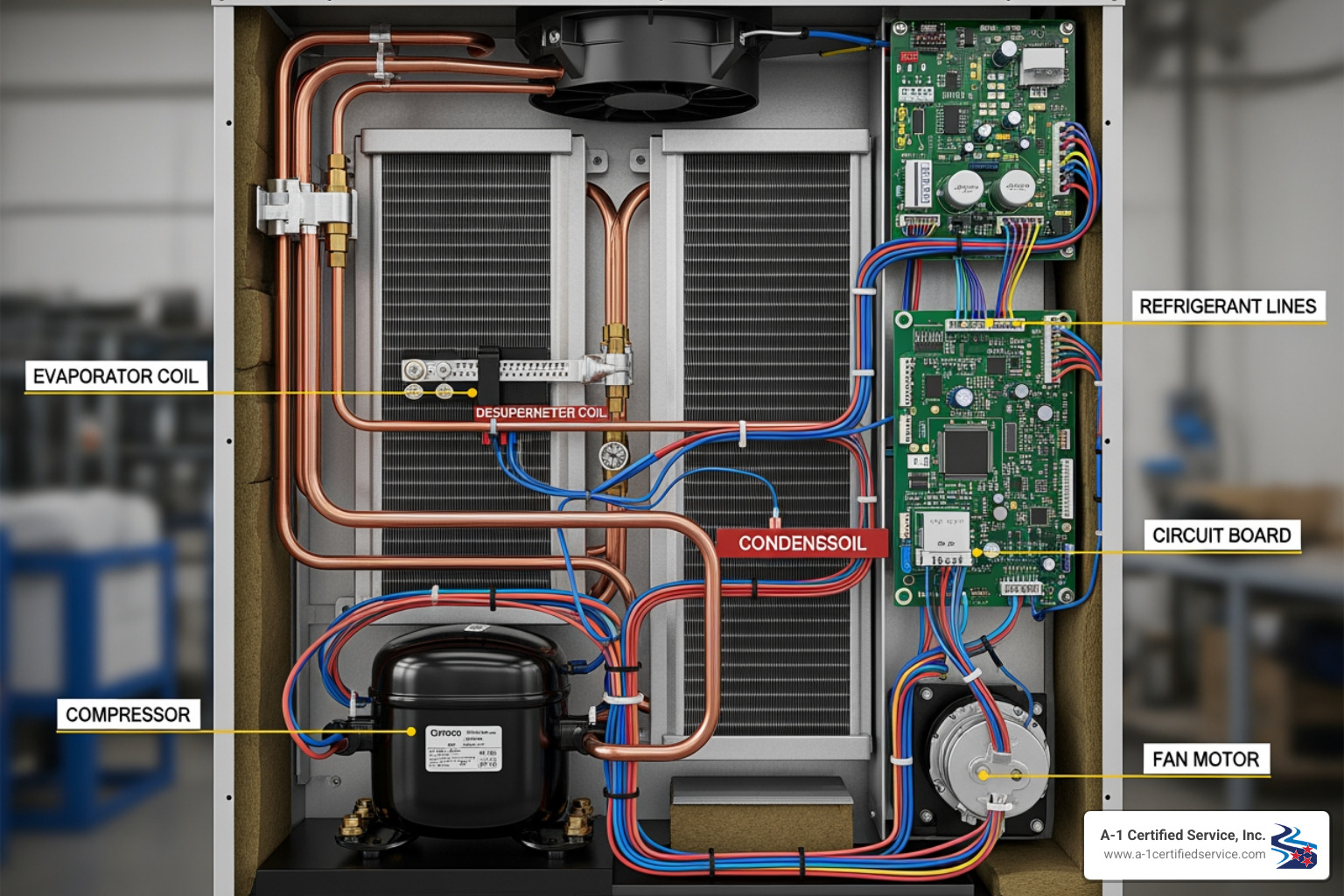
Think of your heat pump like a car with a small oil leak. You can keep topping off the oil for a while, but eventually, that leak will damage your engine. The same principle applies to your heating and cooling system. Compounded damage is one of the biggest risks of waiting. A small problem rarely stays small.
When safety hazards come into play, the stakes get even higher. Electrical problems don’t improve with age. That burning smell or repeatedly tripped circuit breaker isn’t just annoying—it’s a warning sign that something could catch fire. Your family’s safety is worth far more than any repair bill.
Every day your heat pump runs with a malfunction, you’re shaving time off its life. A well-maintained heat pump should serve you reliably for 12 to 15 years, but reduced system lifespan happens when components are forced to work under stress. What starts as a minor repair can turn into needing a whole new system years before you should.
Meanwhile, inefficient operation is quietly draining your bank account. Your heat pump might still be running, but it’s working twice as hard to produce half the results. In Lenoir City’s climate, where we rely on our systems year-round, this inefficiency adds up fast.
Here’s where it really hurts: auxiliary heat costs. When your heat pump can’t keep up, your system automatically switches to backup electric resistance heating. This auxiliary heat costs approximately three times as much per unit of heat as your heat pump normally uses. A refrigerant leak that goes unrepaired for even a few weeks can add hundreds of dollars to your electricity bill.
We’ve seen it happen too many times in our 60 years serving the Knoxville area. A homeowner ignores a minor issue, and within months, they’re facing a major breakdown that could have been prevented. For comprehensive solutions throughout the region, check out our HVAC repair services in Knoxville, TN.
How a Small Problem Becomes a Major Breakdown
Let’s walk through exactly how this happens, because understanding the domino effect can help you see why quick action matters so much.
Imagine a minor electrical issue—maybe a capacitor that’s starting to fail. Your heat pump still runs, but the motor has to work harder to start each cycle. That extra strain heats up the motor, wearing down its components faster than normal. Within a few weeks or months, what could have been a simple capacitor replacement becomes a burned-out motor that costs significantly more to replace.
Or consider refrigerant leak consequences. Your heat pump needs a precise amount of refrigerant to transfer heat efficiently. When there’s a leak, even a small one, the system can’t move heat properly. The compressor starts running longer cycles, trying to compensate. It’s working overtime, getting hotter, and wearing out faster.
This leads directly to compressor strain. The compressor is the heart of your heat pump—and also one of the most expensive components to replace. When it’s forced to work with low refrigerant or other problems, it’s like asking someone to run a marathon while breathing through a straw. Eventually, something gives.
Frozen coils are another common progression. Maybe your airflow is restricted because someone forgot to change the filter. The coils get too cold, ice forms, and suddenly your heat pump can’t absorb heat from the outside air. The system struggles, cycles constantly, and other components start failing from the stress. If you’re dealing with ice buildup, our article on when your heat pump freezes over explains what’s happening and why it needs immediate attention.
The pattern is always the same: a small problem creates stress on other components, which creates more problems, which creates more stress. It’s a cascade that accelerates over time. That’s why we’re so passionate about prompt repairs. We’d much rather help you fix a small issue today than watch you struggle with a complete system failure tomorrow.
For local residents, we’re your neighbors and your partners in home comfort. Learn more about our comprehensive HVAC services in Lenoir City, TN and find why families have trusted us for over six decades to keep their homes comfortable, safe, and efficient.
How to Choose the Right HVAC Company for Emergency Services
When your heat pump fails in the middle of a cold winter night or during a scorching summer afternoon, you need help fast. But not just any help – you need a team you can trust to diagnose the problem accurately, repair it properly, and treat your home with respect. Choosing the right company for emergency heat pump repair in Lenoir City TN can make all the difference between a quick fix and a prolonged nightmare.
So what should you look for when that emergency strikes? Start with the basics: licensing and insurance. Any reputable HVAC company should be properly licensed to work in Tennessee and carry comprehensive insurance to protect both their technicians and your property. This isn’t just paperwork – it’s your assurance that the company meets professional standards and takes responsibility for their work.
NATE certification is another critical qualification. NATE (North American Technician Excellence) represents the highest level of expertise in the HVAC industry. When technicians are NATE-certified, you know they’ve proven their knowledge through rigorous testing and stay current with the latest technology and best practices. At A-1 Certified Service, Inc., our factory-trained, NATE-certified technicians bring decades of combined experience to every emergency call.
True 24/7 emergency service means exactly that – someone answers your call at 2 AM on a Sunday just as readily as they would on a Tuesday afternoon. Some companies claim round-the-clock availability but rely on answering services or delayed callbacks. When you’re dealing with freezing temperatures or sweltering heat, every hour counts. You need a team that responds promptly and arrives prepared to fix the problem.
Local Lenoir City experience matters more than you might think. Technicians who regularly work in the Upper Tennessee Valley understand the unique climate challenges our region faces. They know how the humid summers and cold winters stress heat pump systems differently than in other areas. They’re familiar with local building codes, common home configurations, and the specific issues that affect our community. This local knowledge translates to faster, more accurate diagnoses and repairs.
Don’t overlook positive reviews and reputation in your community. When your neighbors consistently recommend a company, that tells you something important about reliability, professionalism, and quality of work. Our family-owned business has built our reputation over 60 years by treating every customer like family and standing behind our work.
Years of experience and specialization in heat pumps go hand in hand. Heat pumps are sophisticated systems that differ significantly from traditional furnaces and air conditioners. A company that specializes in heat pump repair – especially modern, efficient systems like Daikin heat pumps – brings valuable expertise to your emergency. They understand the nuances of reversing valves, defrost cycles, and refrigerant management that general HVAC technicians might miss.
Service guarantees demonstrate a company’s confidence in their work. When we complete an emergency repair, we stand behind it. This commitment to quality means we take the time to do it right the first time, even when pressure is on during an emergency situation.
Finally, professionalism encompasses everything from how the phone is answered to how technicians present themselves in your home. Do they arrive in clearly marked vehicles? Do they wear uniforms and ID badges? Do they protect your floors and clean up after themselves? Do they explain the problem clearly and answer your questions patiently? These details reflect a company’s overall approach to customer service.
Whether you’re in Lenoir City or the surrounding areas like Maryville or Oak Ridge, choosing the right emergency service provider before you need one can save you stress and ensure faster resolution when problems arise. Take time now to identify a trusted partner for your HVAC needs – you’ll be glad you did when an emergency strikes.